
Employers are required by law to take steps to prevent and prepare for fires in the workplace. This includes ensuring that the workplace is free of fire hazards, providing employees with proper training in how to use fire extinguishers, and having an evacuation plan in place.
Why are there different kinds of fire extinguishers?
The answer lies in the fact that different fires are fuelled by different materials. Each type of fire is extinguished differently, so it’s important to know which class of fire extinguisher to use. For example, using water on a grease fire will only make the fire worse.
Types of fire extinguishers:
There are many different types of fire extinguishers, but they can broadly be divided into two categories: water-based and chemical-based. Water-based extinguishers are the most common type. They work by cooling the fire and stopping the burning process in a Class A fire. Chemical-based extinguishers work by smothering the fire and preventing it from getting oxygen. It is best used on Class B and C fires.
Types of fires:
Class A fires are the most common type of fire. They are fuelled by materials such as wood, paper, and cloth.
Class B fires are fuelled by flammable liquids, such as gasoline, oil, and grease.
Class C fires are fuelled by electrical equipment, such as computers and appliances.
How to use a fire extinguisher:
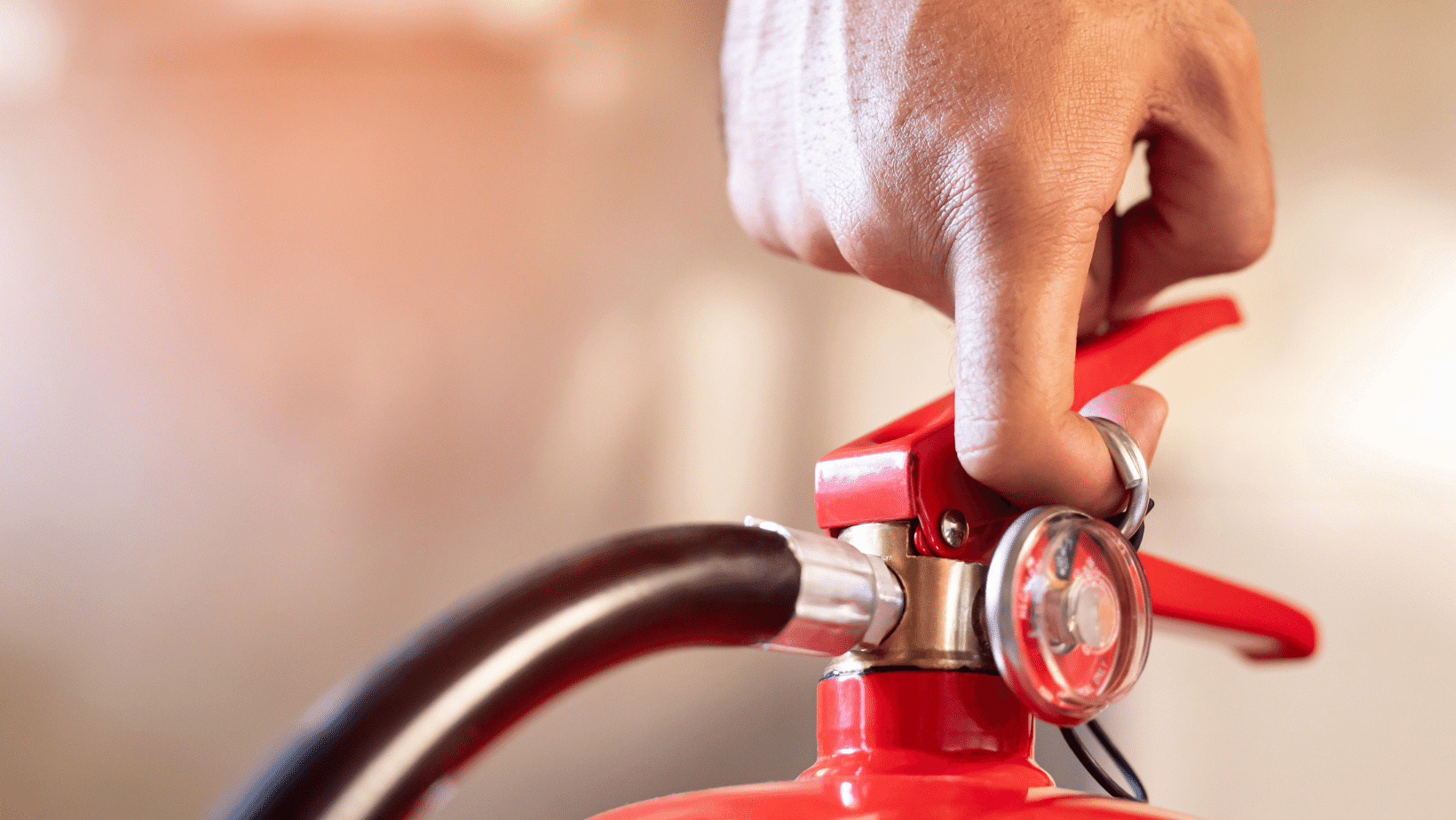
When using a fire extinguisher, always remember to P.A.S.S.
- Pull the pin at the top of the extinguisher
- Aim the nozzle at the base of the fire
- Squeeze the handle to release the extinguishing agent
- Sweep back and forth until the fire is out.
What to do in the event of a fire:
- If the fire is small and you have a fire extinguisher, attempt to put it out following the steps above.
- If the fire is too large or you are unsure about how to use a fire extinguisher, evacuate the area immediately and call 000.
- Do not use elevators, as they may become stuck or fill with smoke.
- Once you are outside, move away from the building to a safe location.
- If your clothing is on fire, stop, drop, and roll until the fire is extinguished.
How to prevent workplace fires:
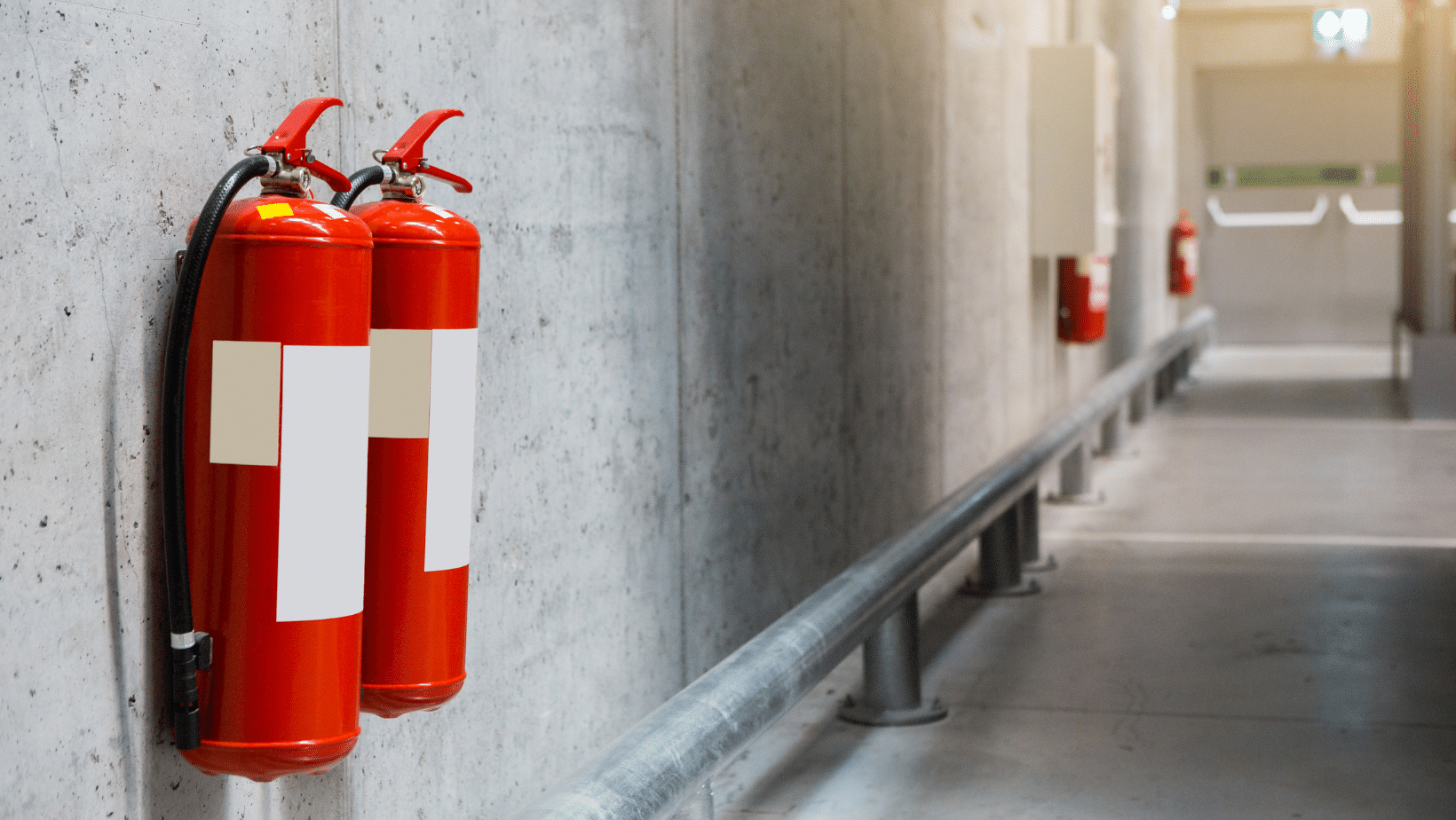
The best way to prevent a workplace fire is to identify and eliminate potential fire hazards such as electrical equipment, flammable liquids, and combustible materials. Employers should take steps to ensure that these hazards are eliminated or controlled.
Common causes of workplace fires:
- Electrical equipment is a common cause of workplace fires because it can create sparks that can ignite flammable liquids or combustible materials.
- Flammable liquids, such as gasoline or oil, can easily catch fire and spread quickly.
- Combustible materials, such as paper or wood, can also catch fire and spread quickly.
If a fire does occur, always remember to PASS or evacuate the area and call 000. By following these safety tips, you can help prevent workplace fires and keep yourself and others safe.
Looking for an easy way to manage passive fire extinguisher records for your construction site?
Check out the Passive Fire Register App from our friends at Construction Apps! Automate your passive fire penetration records. Stop using paper and pen to record locations, collar types, marking up blank labels then completing the register manually.