
Slips, trips and falls may not sound serious but they are in fact one of the leading causes of injuries in the workplace and make up 15% of all accidental deaths. They can also result in workers compensation cases, lost time and a lot of money for your company. Read this post for information on how to prevent slips, trips and falls.
What are the most common causes of Slip, Trip, and Fall Incidents?
- Slip incidents are commonly caused by wet floors, spilled liquids or poor quality or incorrect type of flooring for the type of work
- Trips are commonly caused by inadequate housekeeping, poor quality flooring, changes in elevation, poor lighting conditions or incorrect clothing
- Falls from elevation such as ladders, roofs, mobile equipment or elevated structures are common and most likely to result in serious injury or death
Identifying slip trip and fall hazards
Identifying hazards is always the first step when it comes to work health and safety. By inspecting the workplace and talking to workers and supervisors, you can determine exactly where incidents can or have already occurred in your workplace.
To ensure you have the most accurate understanding of potential hazards, it is recommended to sketch a layout of the work area and mark on it where incidents or hazards have been reported.
It is also essential to regularly review incident and injury reports.
Click here for a free Hazard Report Form
How to Prevent Slips, Trips and Falls in the Workplace
- In the event of any hazardous surfaces (for example, wet weather or spilled liquids), post warning signs until the situation has been completely remedied.
- Always maintain adequate housekeeping as objects on the ground are a potential hazard for any employee working in or walking through an area
- Ensure paths are clear and even and tools and equipment are out of the way of foot traffic. This applies to cables and cords which are a common cause of trips.
- Ensure workers are wearing the appropriate type of footwear – flat, enclosed and well-fitted. For workers exposed to slips, ensure footwear is slip-resistant
- Ensure that the proper type of flooring is installed for the appropriate type of work being conducted.
- Ensure regular floor maintenance such as improving the slip resistance of a surface with the right cleaning method
- Fixing any changes in heights, torn carpets, broken concrete, cracked tiles etc
- Where floor/surface cannot be fixed immediately, highlight any height or surface changes with contrast colours or strips (e.g. yellow/reflective paint or tape)
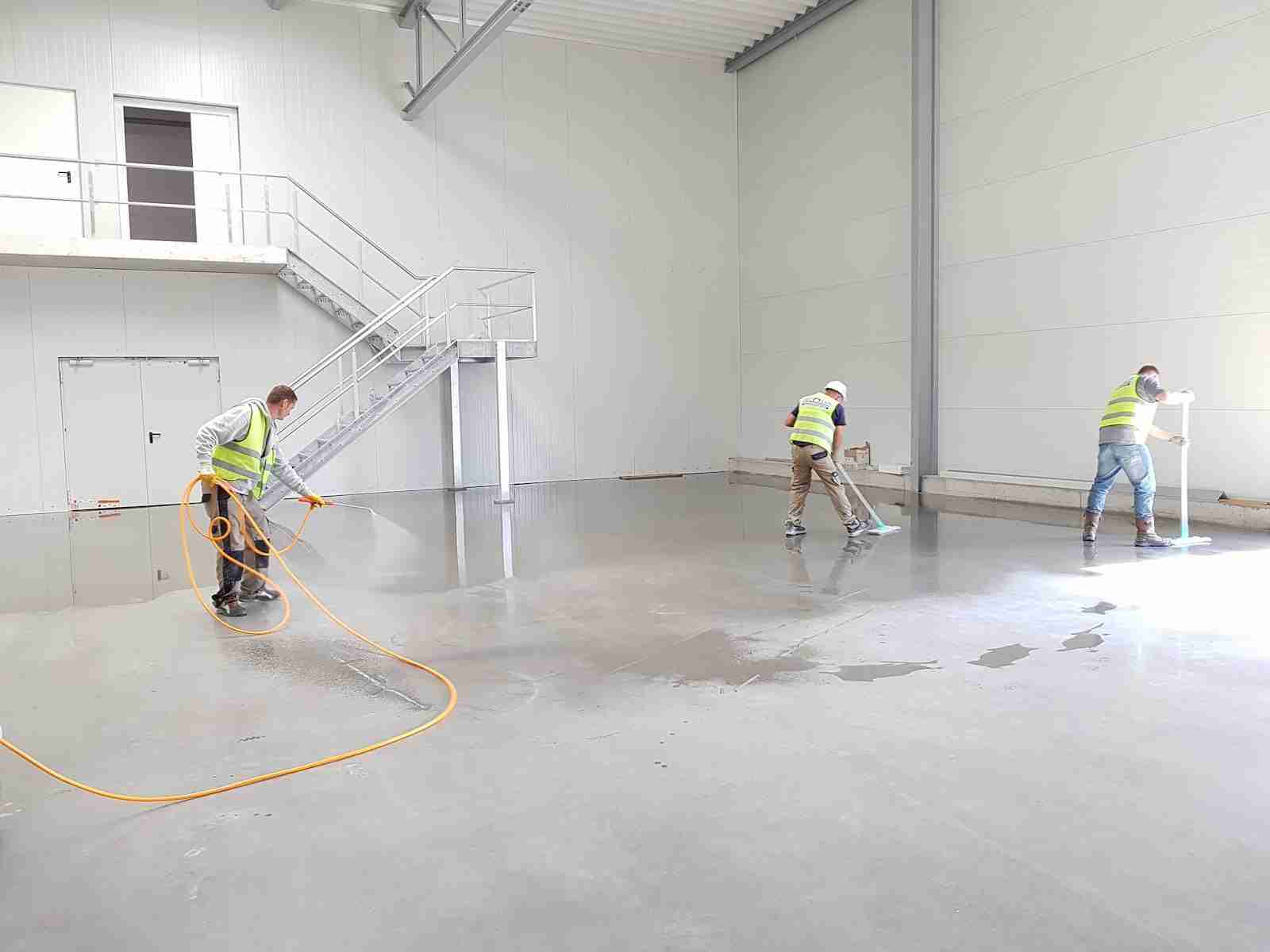
For more information on choosing the best type of flooring for your workplace – click here!
How to Prevent Falls in the Workplace
- Ensure that stairs height and depth measurements are consistent
- Ensure steps are always easy to see, well lit and maintained
- Do not use ramps that are overly steep with no edging
- Ensure that all areas are well lit and use handrails on any elevated surfaces where feasible
- Use adequate fall protection such as body harnesses and lanyards attached to an approved anchor point
- Ensure workers are using proper techniques when climbing up and down ladders and never leaning to reach objects
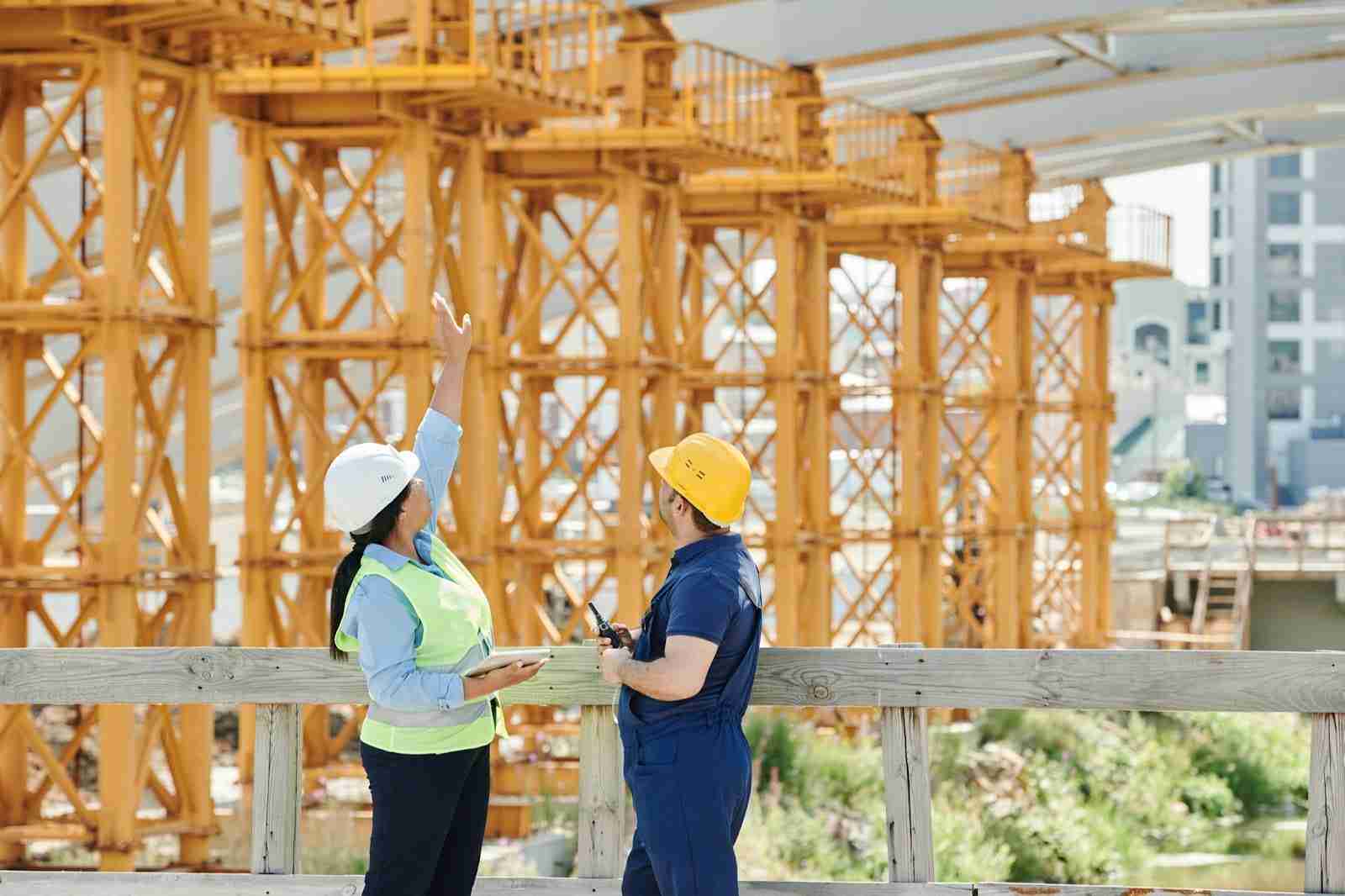
What to do after an injury from slips, trips and falls
- Determine what caused the injury
- Make changes to prevent further injuries
- Ensure all workers are up to date on the most current procedures; and
- Support the worker with rehabilitation and return to work.
Learning from mistakes will ensure your business reduces risks, injuries and costs and improves productivity.
Where Can I Find More Free Resources on Hazard and Risk Assessment?
For more information on trip, slip and fall injuries – click here!
For free Work Health and Safety Templates for Construction and companies in Queensland – click here!